
You show up for your job, your family, and your workouts. Then something starts to nag at you. Maybe it is knee pain on your long run, a shoulder that complains during overhead lifts, or leaking when you jump or sneeze. Maybe you are months postpartum and your body still does not feel like yours.
Many people in Hammond are told to rest, push through it, or accept these issues as a normal part of life. You deserve better than that. Physical therapy can help you understand what is happening in your body, relieve pain, and build strength so you can move with confidence.
This guide walks you through what modern physical therapy looks like, which services may fit your goals, and what to expect when you work with Victory Fitness + Physical Therapy in Hammond, LA.
What Does Physical Therapy Actually Involve Today?
Physical therapy is no longer only for the weeks after an injury. It is a hands-on, education-based approach that helps you restore movement, reduce pain, build strength, and lower your risk of future problems. The best care looks at you as a whole person, not just the sore spot.
That means your therapist considers your training habits, work demands, sleep, stress, hormones, and life stage. A plan that ignores those pieces may help for a while, but it often does not last.
Why a Whole-Person Approach Matters
Pain rarely has one simple cause. A runner with knee pain may also have weak hip muscles, limited ankle motion, or a stride pattern that overloads one side. A new mom with back pain may be dealing with core and pelvic floor changes that have not fully recovered.
At Victory Fitness + Physical Therapy, care blends orthopedic rehab, sports physical therapy, pelvic health, and wellness education. Treating the cause, not only the symptom, is what leads to results that hold up over time.
Who Can Benefit From Physical Therapy?
You do not need to be injured to benefit. Physical therapy can support:
Runners and CrossFit athletes who want to stay healthy and perform well
Women who are pregnant or recovering after birth
Anyone with pelvic pain, incontinence, or pressure and heaviness
People recovering from surgery or a procedure
Adults dealing with back, neck, shoulder, hip, or knee pain
Women moving through perimenopause and menopause who want to stay strong
Teens and youth athletes who need guidance with growth-related pain or sports performance
How Can Manual Therapy Help You Move and Feel Better?
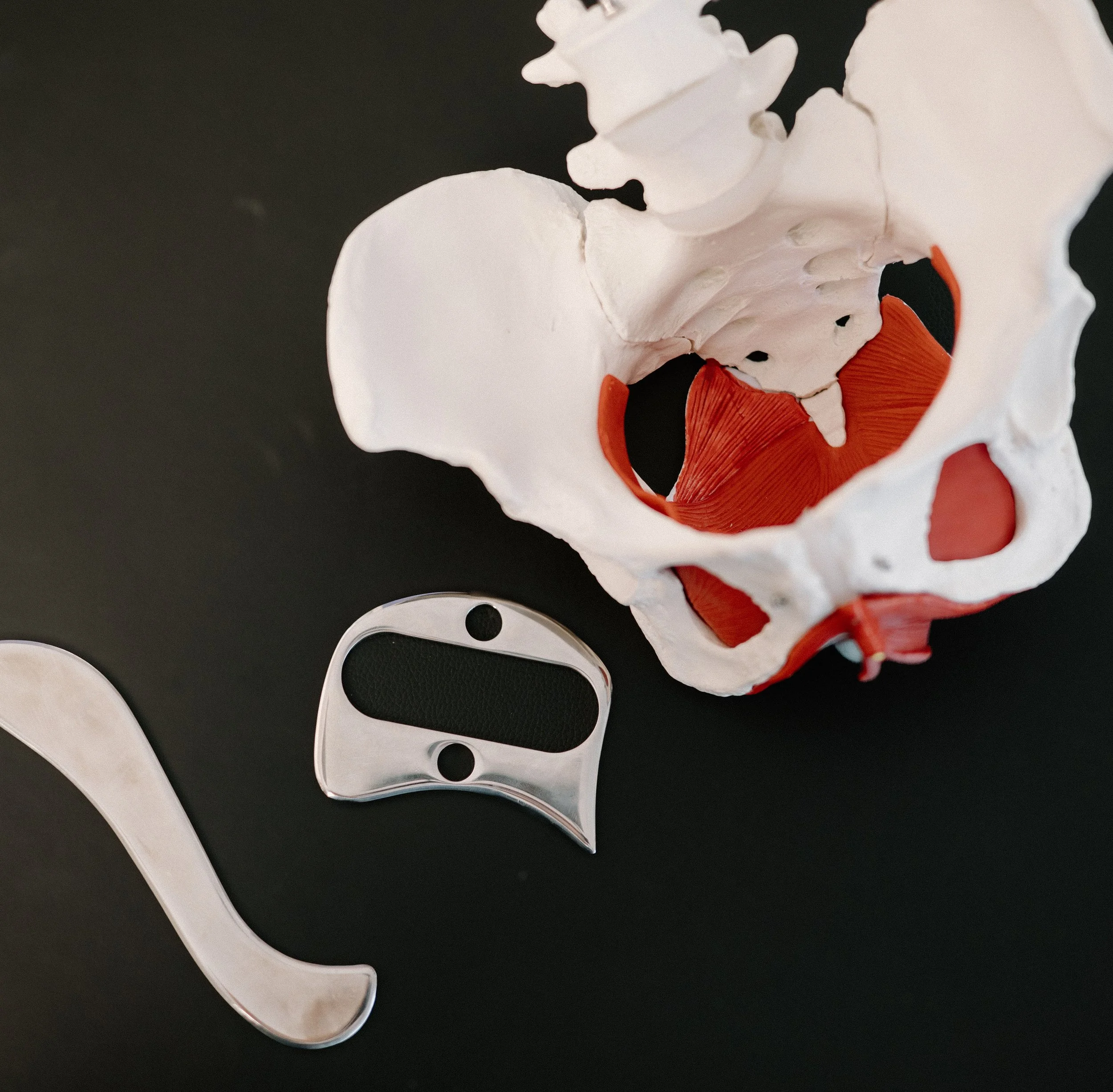
Manual therapy means your physical therapist uses skilled hands, and sometimes specific tools, to influence muscles, connective tissue, and joints. It can ease tightness, improve motion, and make it easier to do the exercises that create lasting change.
Manual therapy works best alongside active care. Hands-on treatment can open the door, and strengthening and movement training help you keep the progress.
Manual Techniques You May Encounter
Depending on your needs, your plan may include:
Joint mobilization: Gentle, controlled movements that help a stiff joint move more freely
Myofascial release: Sustained pressure to ease tension in the connective tissue around muscles
Soft tissue mobilization and trigger point therapy: Targeted work for tight, tender areas
Dry needling: Thin needles used to address trigger points and muscle tension
IASTM and scraping: Specialized tools used to work on tissue restrictions
Cupping: Suction cups that may help ease muscle tightness
Taping: KT or athletic taping to support movement and body awareness
Assisted stretching and massage therapy: Support for mobility and recovery
Your therapist will explain what each technique is for and check in with you throughout. You are always part of the decision.
What Is Pelvic Floor Physical Therapy and Who Needs It?
Your pelvic floor is a group of muscles that supports your bladder, bowel, and uterus. It also plays a role in core stability, posture, and sexual function. When these muscles are too weak, too tight, or not coordinating well, you may notice symptoms that are common but not something you have to live with.
Many women feel embarrassed to bring these concerns up. At Victory Fitness + Physical Therapy, care is delivered in a space where you can talk openly without feeling judged.
Conditions Pelvic Floor Therapy Can Address
Pelvic health is a core focus at Victory Fitness + Physical Therapy. Care may help with:
Urinary incontinence, including leaking with coughing, jumping, or lifting
Pelvic pain
Pelvic organ prolapse symptoms
Painful intercourse
Diastasis recti
Endometriosis pain support
Pelvic floor physical therapy is widely recognized as a first-line approach for many types of urinary incontinence, and it is supported by research and professional guidelines.
What Treatment Can Look Like
Your plan may include pelvic floor internal techniques when appropriate, breathwork and diaphragmatic training, therapeutic exercise, and practical nervous system regulation strategies. Pelvic floor muscles do not work in isolation, so your therapist will also look at your hips, spine, breathing, and how you load your body during daily life and workouts.
If internal work is part of your plan, it is explained clearly and done only with your consent.
How Does Pre/Post Natal Physical Therapy Support Your Pregnancy and Recovery?
Pregnancy and birth change your body in meaningful ways. Your posture shifts, your core stretches, and your pelvic floor handles added load for months. Support during this season can make a real difference in how you feel and how well you recover.
Prenatal Support
During pregnancy, prenatal physical therapy can help you manage back, hip, and pelvic discomfort while staying active safely. You can learn breathing strategies, positions, and exercises that support your changing body. Many women also want guidance on how to keep training in a way that feels good and responsible.
Postpartum Recovery
The postpartum period is not just about getting your body back. It is about rebuilding strength, trust, and function at your own pace. Your therapist can assess your core, pelvic floor, and movement patterns and guide you through a gradual return to exercise.
Postpartum care may address:
Diastasis recti and core weakness
Pelvic pain or pressure
Leaking or urgency
Painful intercourse
Back, hip, or wrist pain from caring for a newborn
A safe return to running, lifting, or CrossFit
You do not have to wait until your six-week checkup to ask questions, and you do not have to figure it out alone.
Can Running Physical Therapy Help You Run Stronger and Pain-Free?
Running is repetitive, and small inefficiencies add up over thousands of steps. That is why runners often deal with overuse injuries. If you have had to stop or cut back because of pain, you know how frustrating it can be.
Running Gait and Form Assessment
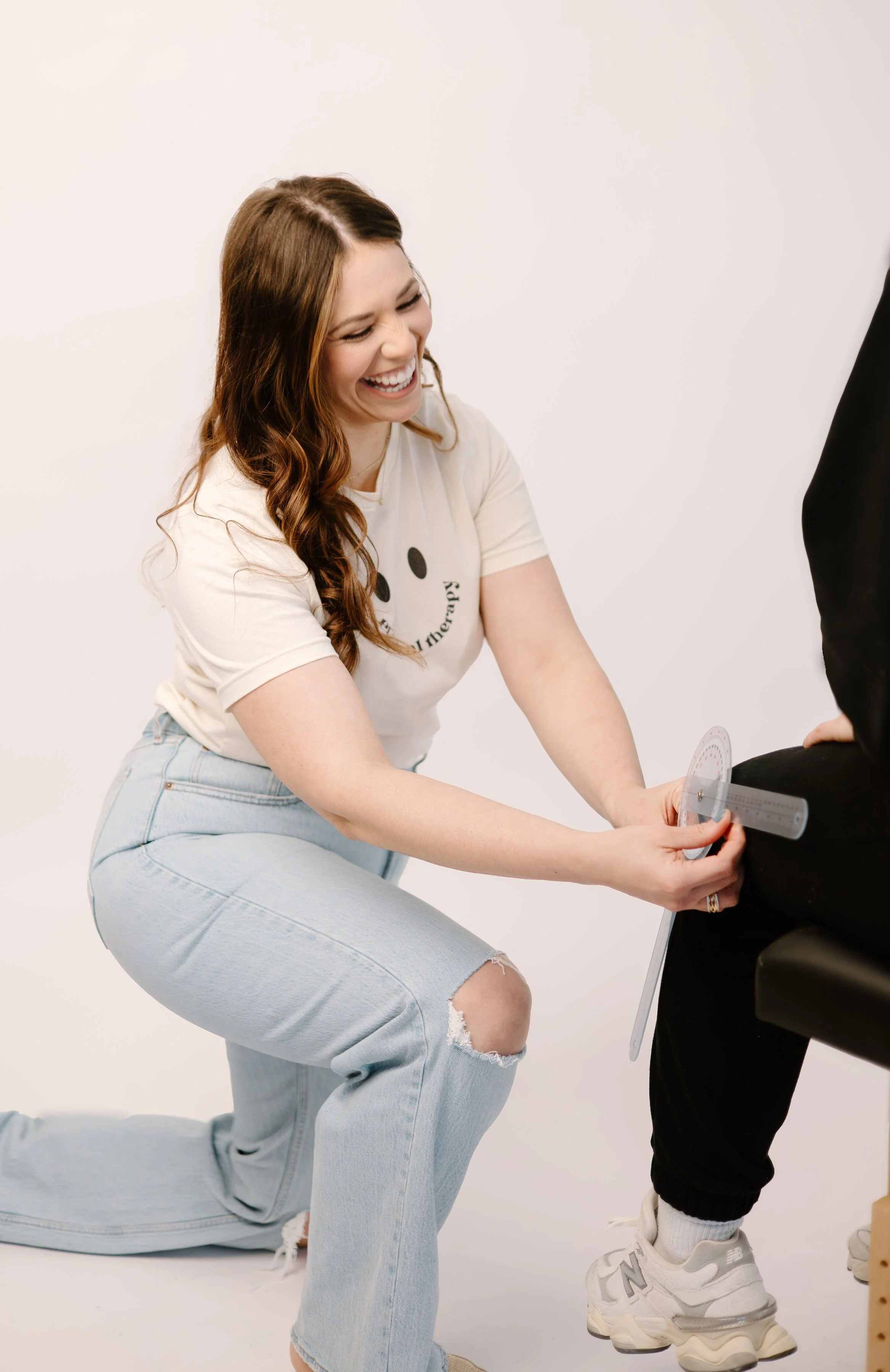
Victory Fitness + Physical Therapy offers running gait analysis and running form assessment. These evaluations look at how you move through your stride, including how your hips, knees, ankles, and trunk share the work. The goal is to find patterns that may contribute to pain or limit performance, then build a plan to address them with strength, mobility, and movement cues.
Common Running Concerns Treated
Runners often come in with:
Runner's knee or patellofemoral pain
IT band syndrome
Achilles tendinopathy
Plantar fasciitis
Shin splints
Hip pain and hamstring strains
Low back pain
If you are coming back from time off, whether from injury, pregnancy, or surgery, a structured return-to-running plan can help you build back gradually and reduce the chance of a setback.
How Does Physical Therapy Support CrossFit and Athletic Performance?
CrossFit asks a lot from your body. Heavy lifting, gymnastics movements, and high-intensity training place real demands on your shoulders, hips, spine, and core. Pain in those areas does not always mean you must stop training, but it does mean your body is asking for attention.
Testing That Gives You Real Answers
Guessing is frustrating. Objective testing can show you where you are strong, where you are limited, and how to train smarter. Victory Fitness + Physical Therapy offers:
Force plate testing and VALD testing
Isokinetic and dynamometer testing
Functional movement assessment and movement screening
Return-to-sport testing
These tools can help identify strength differences from side to side, movement limitations, and readiness to return to higher-level activity.
Building Strength and Resilience
Your plan may include resistance training, balance and proprioception training, neuromuscular re-education, plyometric progressions, and blood flow restriction (BFR) training. Blood flow restriction uses a specialized cuff so you can build strength with lighter loads, which can be helpful when heavy lifting is not yet appropriate.
Sport and performance care is not only for people who are injured. Prehab and injury prevention can help you stay consistent with the training you love.
What Should You Expect From Post-Surgical Physical Therapy?
Surgery is a big step, and the recovery can feel uncertain. You may wonder how much to move, what is normal, and when you can get back to your life. Post-surgical physical therapy gives you structure and support during that process.
A Phased Approach to Rehab
Post-surgical rehab usually moves through stages. Early on, the focus is on protecting the area, managing pain and swelling, and restoring basic motion. Over time, the plan shifts to strength, balance, and functional movement, and eventually to the demands of your work, sport, or daily routine.
Your plan may include:
Therapeutic exercise and resistance training
Electrical stimulation (NMES) to help activate muscles that are slow to respond after surgery
Compression therapy for recovery support
Manual therapy to address stiffness and tissue tightness
Balance and proprioception training
Plyometric and return-to-sport progressions when you are ready
Conditions treated include ACL injuries, meniscus injuries, labral tears, rotator cuff tears, and more. Goals supported include return to work, return to sport, and return to running. Your surgeon sets the precautions, and your physical therapist builds your rehab around them.
What Makes Victory Fitness + Physical Therapy Different in Hammond?
Victory Fitness + Physical Therapy brings physical therapy and fitness together, so your care does not stop when pain improves. The goal is to help you build a body that is ready for what you want to do next.
Personalized, Evidence-Based Care
Care at Victory Fitness + Physical Therapy blends evidence-based treatment with a genuine understanding of what it feels like to navigate training, family, and health changes. Your plan is built around your life, not just your diagnosis.
Support Beyond the Treatment Room
Your progress should not depend only on the time you spend in the clinic. Victory empowers you with at-home recovery tools and practical strategies for managing your overall health. Ongoing health education is available through The Victory Club, a community platform featuring a podcast, book club, and mailing list.
Physical therapy belongs on your lifelong healthcare team, not only after an injury. Whether you are focused on healthy aging, perimenopause, injury prevention, or strength building, you can use physical therapy to stay ahead of problems.
Where to Find Victory Fitness + Physical Therapy
Victory serves the Hammond area at Northshore Fit, with a second location available in Covington at The Nest. Care is offered on a self-pay, out-of-network basis, which allows your plan to be built entirely around what you need. You can explore the full list of services at Victory Fitness + Physical Therapy to see how they fit your goals.
What Happens at Your First Physical Therapy Visit?
Starting something new can feel intimidating, so it helps to know what is ahead. Your first visit is about listening and understanding.
Step One: Your Story
Your therapist will ask about your symptoms, history, goals, and daily life. This is your chance to share what has been frustrating you and what you hope to get back to doing.
Step Two: Assessment
Next comes a hands-on evaluation of how you move and function. Depending on your goals, this may include a movement screen, strength testing, running analysis, or other performance testing.
Step Three: Your Personalized Plan
You will leave with a clear explanation of what is going on and a plan for what comes next. That plan may include in-clinic treatment, a home program, and education so you understand why each piece matters. For more helpful reading, visit the Victory Fitness + Physical Therapy blog.
Take the Next Step Toward Feeling Strong in Your Body
You do not have to keep working around pain, leaking, tightness, or uncertainty. Whether you are a runner chasing a new goal, a CrossFit athlete who wants to lift without pain, a mom rebuilding after birth, or someone recovering from surgery, help is available right here in Hammond.
Victory Fitness + Physical Therapy is ready to listen, guide, and build a plan that fits your life. Book your appointment today and take the first step toward moving with strength and confidence.
