
Stages of Athletes
In this solo episode of the Victory Club Podcast, Dr. Rebecca Troulliet breaks down the different stages of athleticism throughout life and tackles the question: which stage produces the greatest athletes? From youth sports and high school competition to collegiate athletics, weekend warriors, and active retirees, she explores the unique challenges, responsibilities, and advantages that come with each phase. Through a thoughtful and relatable discussion, Rebecca highlights how athleticism evolves over time and encourages listeners to embrace their current season of life, focus on what they can control, and continue pursuing health, fitness, and personal growth at every age.
Core Canister
In this solo episode of the Victory Club Podcast, Dr. Rebecca Troulliet breaks down the concept of the “core canister” and explains why true core strength is about much more than just abs or sit-ups. She walks listeners through the anatomy of the diaphragm, pelvic floor, abdominal muscles, and lower back, showing how these systems work together to create stability, manage pressure, improve performance, and reduce pain. From athletes and weightlifters to postpartum moms and everyday movers, this episode offers practical insight into breathing, bracing, and functional movement to help you move stronger, feel better, and better understand your body.
Victory Club Conversations
Join Rebecca Troulliet and guest speaker Jaylin Poe for an honest conversation about the journey through physical therapy school, balancing athletics and academics, navigating an accelerated hybrid DPT program, and preparing for life as a future physical therapist. From the impact of COVID-19 on education to discussions about student loans, mentorship, travel therapy, and career growth, this episode offers a real behind-the-scenes look at the challenges and rewards of pursuing a career in healthcare.
The Vagina Whisperer’s ‘Floored’ Book Review
Explore this review of Floored by Dr. Sarah Reardon and learn about pelvic floor health, women’s anatomy education, and common gaps in women’s health knowledge. This blog covers key topics including pelvic floor physical therapy, bowel and bladder health, menstrual cycle education, pregnancy and postpartum recovery, and menopause support. Discover how understanding your body can improve confidence, movement, and long-term wellness, and how Victory helps women apply this knowledge through personalized pelvic floor physical therapy and health care.

Your Knee Hurts. But Is It Really a Knee Problem?
Knee pain while running? The problem might not be your knee. Learn how the hip, knee, and ankle work together — and how PT finds the real cause fast.
Training Beyond the Buzz-A Life Beyond Alcohol
What started as a Dry January challenge turned into a life-changing shift in health, fitness, and mindset. In this episode of the Victory Club Podcast, Rebecca Troulliet breaks down the science behind alcohol’s effects on the body while sharing her personal journey to improved performance, better recovery, and a stronger, more intentional lifestyle.
The Science of Stress: The Vagus Nerve
Chronic stress affects the nervous system and also explains why so many people live in a constant fight-or-flight response. This discussion explores the role of the vagus nerve in regulating key systems in the body, including heart rate, breathing, digestion, and stress hormones. With her co-host Jeremy, Rebecca also shares practical ways to down-regulate the nervous system and return to a healthier rest-and-digest state, including breathwork, consistent sleep habits, gentle movement, cold exposure, and meaningful social connection.
The LABOR of Love: Part 3
We dive into the raw, unfiltered reality of the fourth trimester and what postpartum truly looks like beyond the highlight reels. Rebecca shares her personal experience navigating recovery, identity shifts, body image, and the mental and physical challenges that come after birth — redefining the idea of a “comeback” and instead embracing a compassionate, long-term approach to healing. We talk about body acceptance, rebuilding strength safely, honoring womanhood, and understanding matrescence as a powerful transformation — not something to rush through. This episode closes the series by encouraging mothers to release comparison, find their own journey and path forward, and create their own version of strength on the other side of motherhood.
The LABOR of Love: Part 2
In Part 2 of our Labor of Love series, we break down what to expect during pregnancy trimester by trimester—from first trimester fatigue and nausea to safe exercise, nutrition, and third trimester birth preparation. Learn how to stay active, support your pelvic floor, and move with your body through every stage of pregnancy.
The LABOR of Love: Part 1
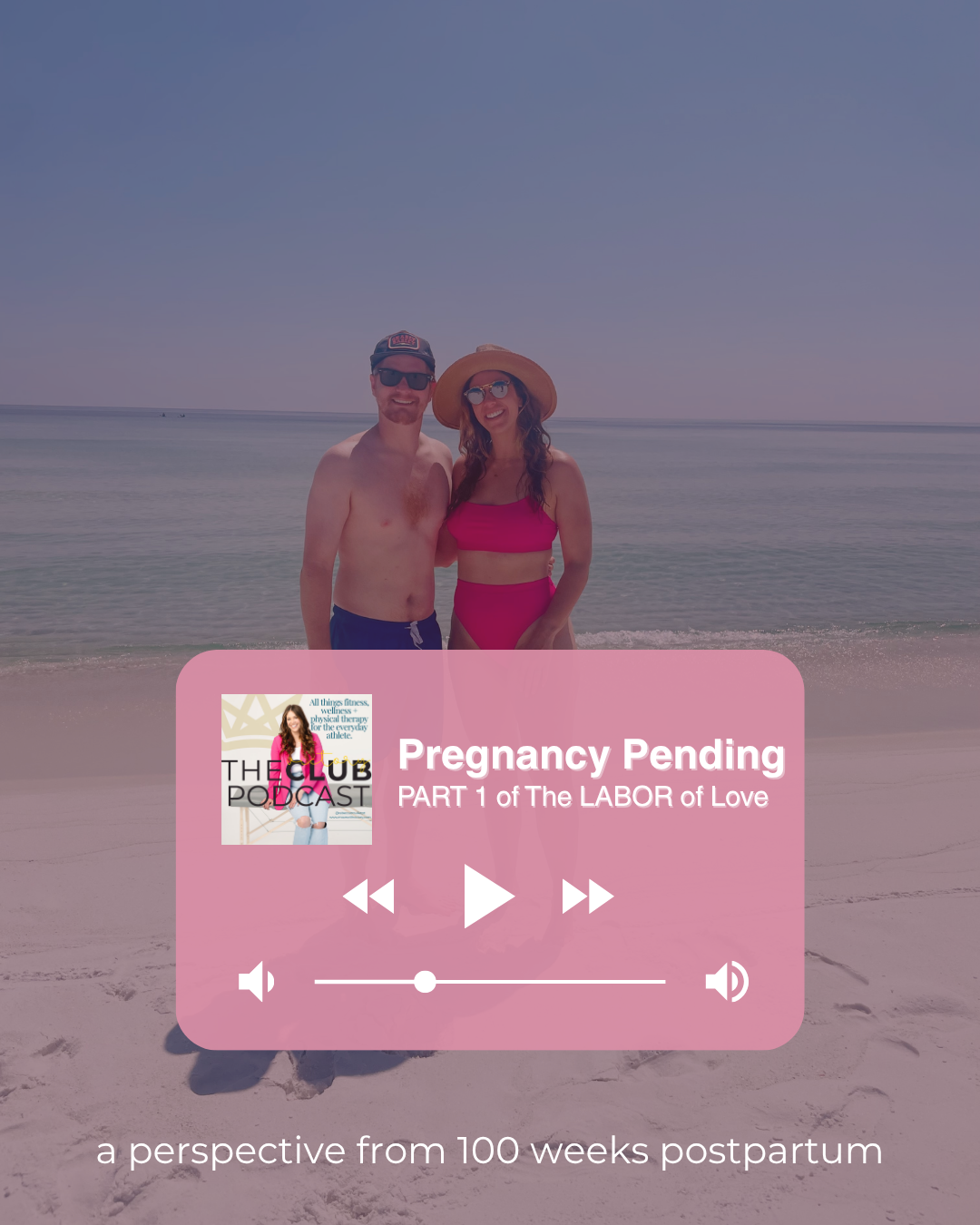
In this deeply personal episode, we celebrate 100 weeks postpartum and reflect on the journey that led us here. We open up about the fears, identity shifts, body image concerns, career ambitions, and relationship dynamics that shaped our decision to become parents. From navigating timing and perfectionism to leaning on partnership and pelvic floor health, this episode is for any woman who has ever wondered: Can I choose motherhood without abandoning myself? Whether you're trying to conceive, newly pregnant, struggling with infertility, or simply questioning your readiness, this conversation offers validation, support, and empowerment.
Think it, do it, Plan It-Strategies for consistency + confidence
Dive into one of the most powerful tools for sustainable health and wellness: pre-planning. From meal prep to scheduling workouts, they share real-life strategies that help busy individuals and families reduce stress, stay consistent, and build habits that actually last. If you’re looking to move past “new year, new me” and create routines that support long-term performance and wellness, this episode is your roadmap.
Taking Your Rehab Into Your Own Hands
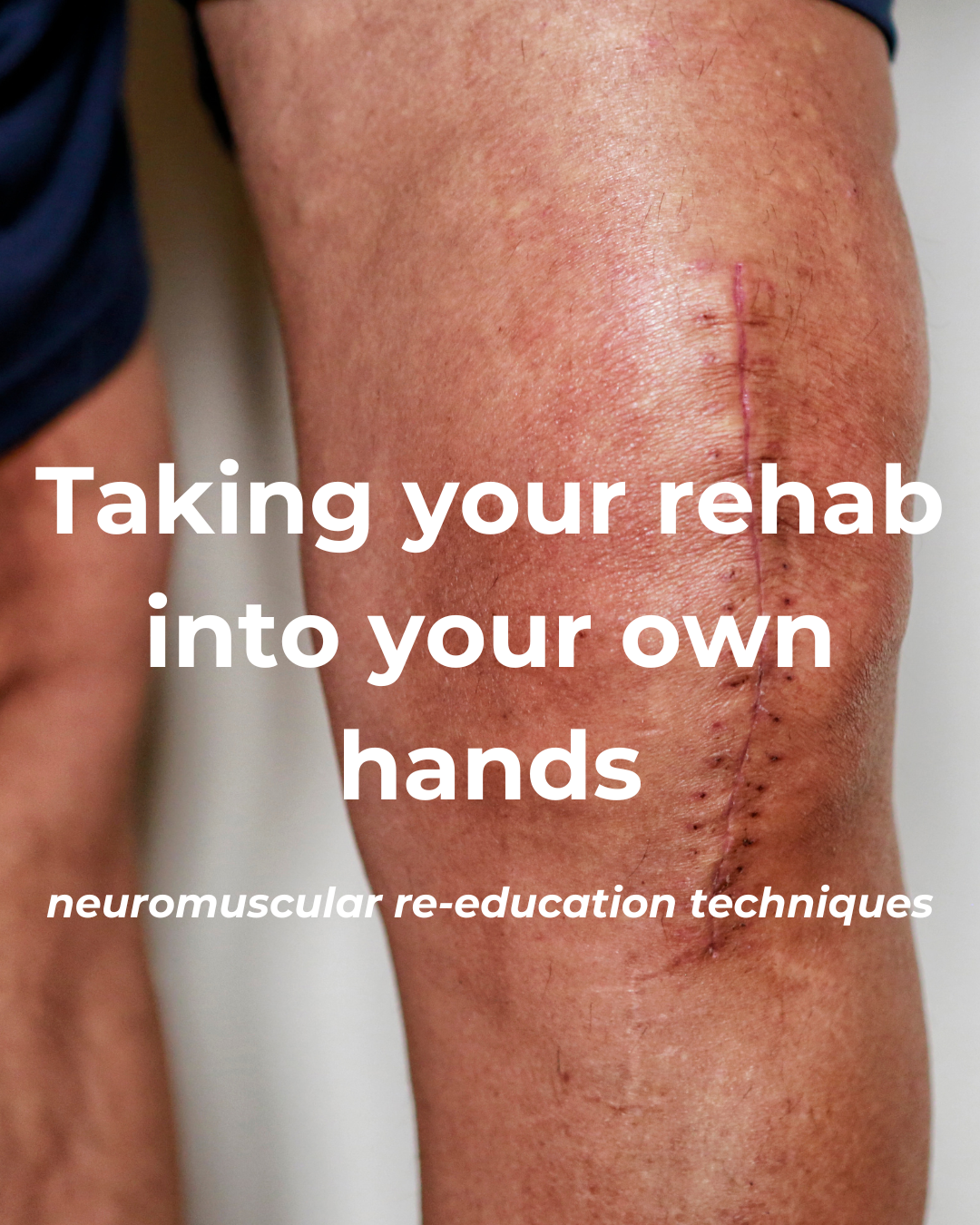
Looking to take your rehab into your own hands after surgery?
My newest blog highlights one of the most effective at-home tools for boosting your recovery: neuromuscular electrical stimulation (NMES). Discover how consistent early use can enhance muscle activation, reduce atrophy, improve joint function, and support a faster return to daily activities after surgeries like ACL reconstruction, Achilles tendon repair, meniscus procedures, TKA, and more.
You’ll also learn why proper guidance matters, which NMES unit Dr. Troulliet recommends, and how a personalized plan can elevate your healing between PT visits.
Empower your recovery—see how the right tools can accelerate your return to the activities you love.
The Math be Mathin’ - Caloric Deficits + Weight Management
Dive into the science—and the simplicity—behind caloric deficits and what it really takes to lose weight in a healthy, sustainable way. From understanding your Basal Metabolic Rate (BMR) to the importance of macronutrients and the ever-popular 80/20 lifestyle, they break down the numbers, myths, and mindset shifts that lead to lasting results.
Rebecca shares her personal experience with tracking macros, viewing food as fuel, and finding balance between discipline and grace. Whether you’re just starting your fitness journey or looking to refine your nutrition habits, this episode offers practical insight you can apply today.

More than you thought - Physical Therapy + it’s superpowers
October is National Physical Therapy Month! In this episode, Dr. Rebecca Troulliet breaks down what physical therapy truly is—far beyond just post-injury rehab. From injury prevention to pelvic health, pediatrics, cardiopulmonary care, and even wound management, discover the wide scope of this vital profession and why a PT should be part of your lifelong healthcare team.

Vasovagal Response - Why do we “pass out?”
Dry needling is a highly effective technique used by physical therapists to treat pain and muscle tension, but in rare cases, it can trigger a vasovagal response — a temporary drop in heart rate and blood pressure that may cause a patient to faint. While fainting during dry needling is uncommon, it's typically caused by emotional or physical stress, fear of needles, dehydration, or pain sensitivity rather than the needles themselves. Recognizing the early signs of a vasovagal reaction, such as dizziness, nausea, sweating, or lightheadedness, allows clinicians to act quickly and keep patients safe.
Physical therapists can reduce the risk of fainting during dry needling by using best practices like keeping patients in a lying position, encouraging hydration, and asking about past experiences with medical procedures. Patient education is also key — letting clients know what to expect during dry needling helps ease anxiety and prevent stress-induced reactions. Though vasovagal responses can be alarming, they are typically harmless and manageable, making dry needling a safe and trusted treatment option when performed by a trained professional.

Meralgia Parasthetica - “I can’t feel my leg”
Discover the story behind Victory Physical Therapy and The Victory Club Podcast, where sports and pelvic floor PT meet real-life fitness. Learn how we help everyday athletes prevent injury, recover stronger, and build confidence—one small win at a time.

Defining Victory - Our Foundation for Everything to come.
Discover the story behind Victory Physical Therapy and The Victory Club Podcast, where sports and pelvic floor PT meet real-life fitness. Learn how we help everyday athletes prevent injury, recover stronger, and build confidence—one small win at a time.